Beef Tenderloin with Fig Glaze
Highlighted under: Fusion Favorites
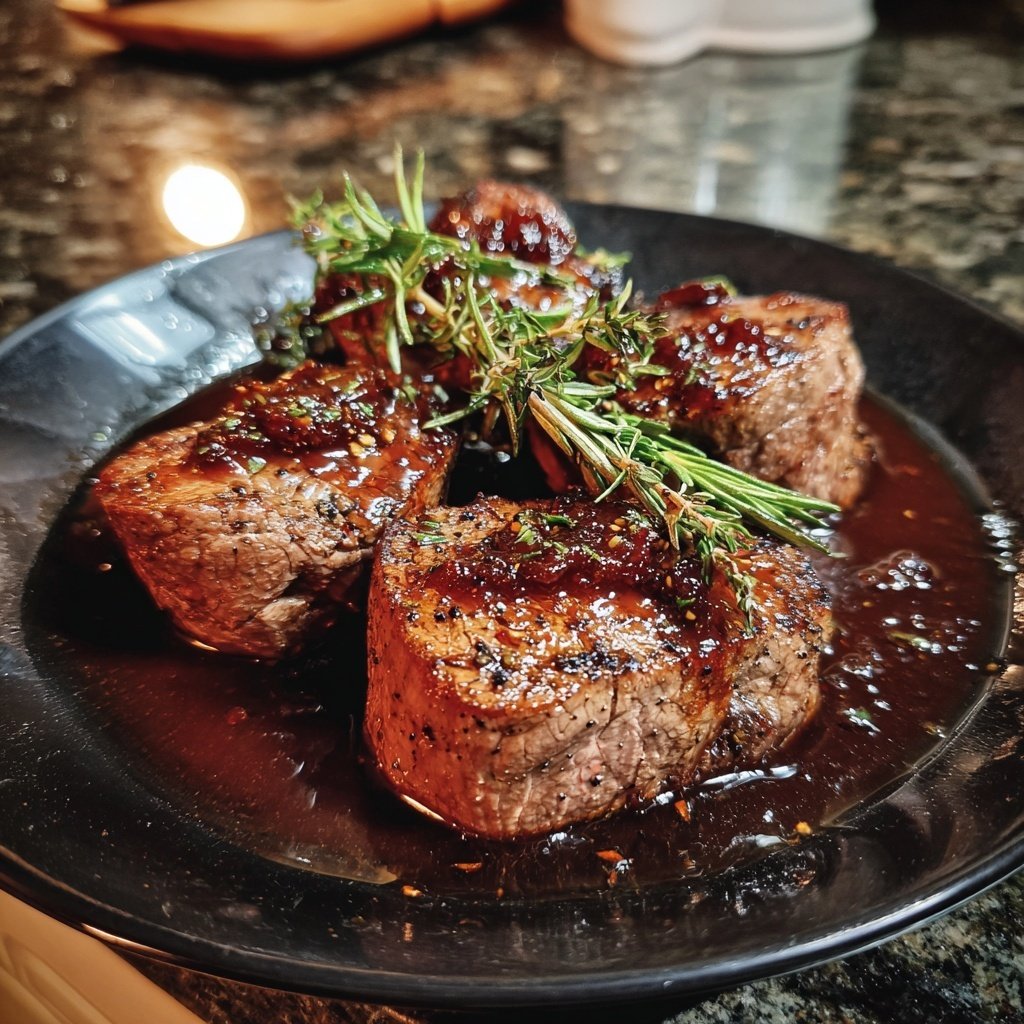
I love creating dishes that impress not just the palate but also the eyes, and this Beef Tenderloin with Fig Glaze does exactly that. The combination of succulent beef and a sweet, tangy glaze turns a simple meal into a special occasion. Preparing tenderloin might sound intimidating, but I’ve found that the right seasoning and a good sear make all the difference. Trust me; this is the kind of dish that will have your friends and family asking for seconds!
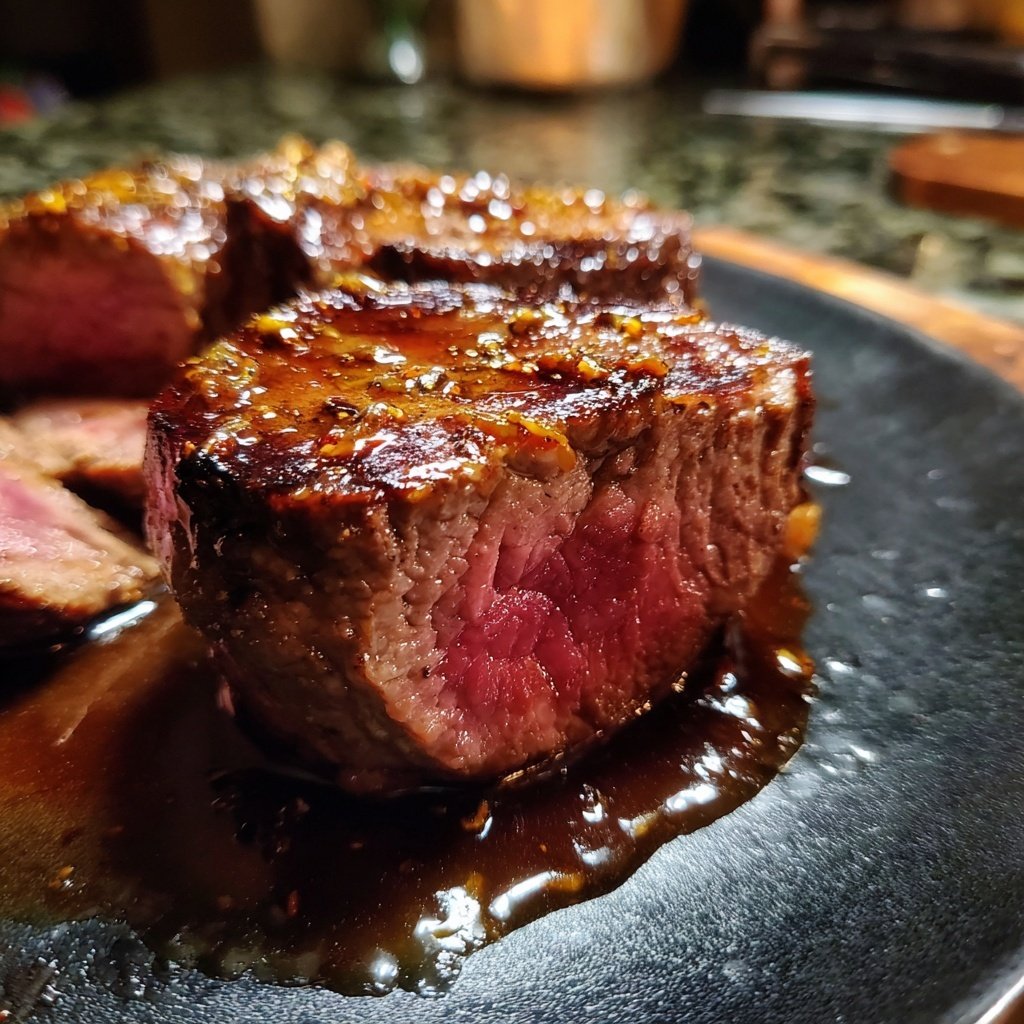
When I first experimented with this recipe, I was amazed by how the sweetness of the fig glaze paired beautifully with the rich flavor of the beef tenderloin. I initially thought the figs might overpower the dish, but they actually enhance the natural flavors of the meat perfectly. The glaze provides a lovely caramelized crust that is sure to impress.
One particular technique I found useful is to let the tenderloin rest after cooking; this allows the juices to redistribute, ensuring every bite is as juicy as the last. Don’t skip this step, as it truly elevates the dish!
Why You Will Love This Recipe
- Rich fig glaze that perfectly complements the beef
- Tender and juicy beef tenderloin cooked to perfection
- Impressive presentation for special occasions
Understanding the Beef Tenderloin
Beef tenderloin is one of the most prized cuts of beef, known for its tenderness and mild flavor. To ensure you achieve the best texture, it’s crucial to allow the beef to reach room temperature before cooking. This helps it to cook evenly. A good sear is essential; aim for a nice golden crust, which forms the basis of flavor through the Maillard reaction. Without this step, your beef may lack depth and complexity.
When selecting your beef tenderloin, look for a cut with a bright red color and fine marbling. The marbling, or intramuscular fat, contributes to the flavor and juiciness when cooked. To ensure you don’t overcook, invest in an instant-read thermometer. Remember, the internal temperature can rise while resting, so pull it from the oven at 130°F (54°C) for a perfect medium-rare outcome.
The Art of the Fig Glaze
The fig glaze is not just sweet; it brings a sophisticated balance of flavors that complements the rich beef. Fresh figs add natural sweetness and texture, but if you can’t find them, dried figs can be substituted. Just remember to soak them in warm water for 30 minutes prior to cooking to soften them, ensuring they break down well in the glaze.
Balsamic vinegar provides tartness, which cuts through the richness of the beef, while honey adds a layer of warmth and complexity. To enrich the glaze further, consider adding a splash of red wine or a hint of chili flakes for an extra kick. Continuously simmer until the glaze thickens to a syrupy consistency, which should be glossy and cling well to the tenderloin.
Ingredients
Ingredients
For the Beef Tenderloin
- 1.5 lbs beef tenderloin
- Salt and pepper, to taste
- 2 tablespoons olive oil
For the Fig Glaze
- 1 cup fresh figs, chopped
- 1/2 cup balsamic vinegar
- 1/4 cup honey
- 1 tablespoon Dijon mustard
- 1 tablespoon fresh rosemary, minced
Instructions
Instructions
Cooking Instructions
Prepare the Beef
Preheat your oven to 400°F (200°C). Season the beef tenderloin generously with salt and pepper. In a heavy skillet, heat olive oil over medium-high heat. Sear the tenderloin on all sides until browned, about 2-3 minutes per side.
Make the Fig Glaze
In a saucepan, combine chopped figs, balsamic vinegar, honey, Dijon mustard, and rosemary. Cook over medium heat, stirring occasionally, until the figs break down and the sauce thickens, about 10-15 minutes.
Roast the Tenderloin
Transfer the seared tenderloin to a baking dish and brush generously with the fig glaze. Roast in the preheated oven for 20-25 minutes, or until a meat thermometer registers 135°F (57°C) for medium-rare.
Rest and Serve
Remove the beef from the oven and let it rest for at least 10 minutes. Slice, serve with remaining fig glaze, and enjoy!
Enjoy Your Dish!
Pro Tips
- For added flavor, consider marinating the beef in the fig glaze for a few hours before cooking. This enhances the flavor profile and tenderizes the meat.
Make-Ahead Strategies
You can prepare the fig glaze a day in advance; just store it in an airtight container in the refrigerator. This not only allows the flavors to develop further but also eases the cooking process on the day of serving. Reheat it gently on the stove, adding a tablespoon of water if it becomes too thick before brushing it onto the beef tenderloin.
Another tip: if you’re planning to entertain, you can sear the beef and prepare the glaze ahead of time, then finish cooking just before serving. By prepping these elements in advance, you’ll minimize your time in the kitchen and maximize your enjoyment with your guests.
Serving Suggestions
For an elegant presentation, slice the beef tenderloin into medallions and arrange them on a platter drizzled with the fig glaze. Complementary sides such as garlic mashed potatoes or roasted asparagus provide a beautiful color contrast and a balance of textures. Consider serving with a light salad of arugula dressed with lemon, which can enhance the overall flavor profile of the meal.
Don’t forget about the wine pairing! A full-bodied red wine like Cabernet Sauvignon or a Syrah can enhance the rich, savory elements of the beef and the sweet nuances of the fig glaze, creating an exceptional dining experience. A well-paired wine will elevate your dish from a meal to a culinary event.
Questions About Recipes
→ Can I use dried figs instead?
Yes, dried figs can be used, but soak them in warm water for about 30 minutes to soften them before cooking.
→ What is the best way to tell if the beef is cooked?
Use a meat thermometer; 135°F (57°C) is perfect for medium-rare.
→ Can I prepare the glaze in advance?
Absolutely! The fig glaze can be made a day ahead and stored in the refrigerator. Just reheat it gently before serving.
→ What sides pair well with this dish?
Roasted vegetables or creamy mashed potatoes complement the tenderloin wonderfully.
Beef Tenderloin with Fig Glaze
Created by: Arabelle Finch
Recipe Type: Fusion Favorites
Skill Level: Intermediate
Final Quantity: Serves 4
What You'll Need
For the Beef Tenderloin
- 1.5 lbs beef tenderloin
- Salt and pepper, to taste
- 2 tablespoons olive oil
For the Fig Glaze
- 1 cup fresh figs, chopped
- 1/2 cup balsamic vinegar
- 1/4 cup honey
- 1 tablespoon Dijon mustard
- 1 tablespoon fresh rosemary, minced
How-To Steps
Preheat your oven to 400°F (200°C). Season the beef tenderloin generously with salt and pepper. In a heavy skillet, heat olive oil over medium-high heat. Sear the tenderloin on all sides until browned, about 2-3 minutes per side.
In a saucepan, combine chopped figs, balsamic vinegar, honey, Dijon mustard, and rosemary. Cook over medium heat, stirring occasionally, until the figs break down and the sauce thickens, about 10-15 minutes.
Transfer the seared tenderloin to a baking dish and brush generously with the fig glaze. Roast in the preheated oven for 20-25 minutes, or until a meat thermometer registers 135°F (57°C) for medium-rare.
Remove the beef from the oven and let it rest for at least 10 minutes. Slice, serve with remaining fig glaze, and enjoy!
Extra Tips
- For added flavor, consider marinating the beef in the fig glaze for a few hours before cooking. This enhances the flavor profile and tenderizes the meat.
Nutritional Breakdown (Per Serving)
- Calories: 480 kcal
- Total Fat: 28g
- Saturated Fat: 10g
- Cholesterol: 125mg
- Sodium: 150mg
- Total Carbohydrates: 35g
- Dietary Fiber: 3g
- Sugars: 24g
- Protein: 40g