Korean Bibimbap
Highlighted under: Fusion Favorites
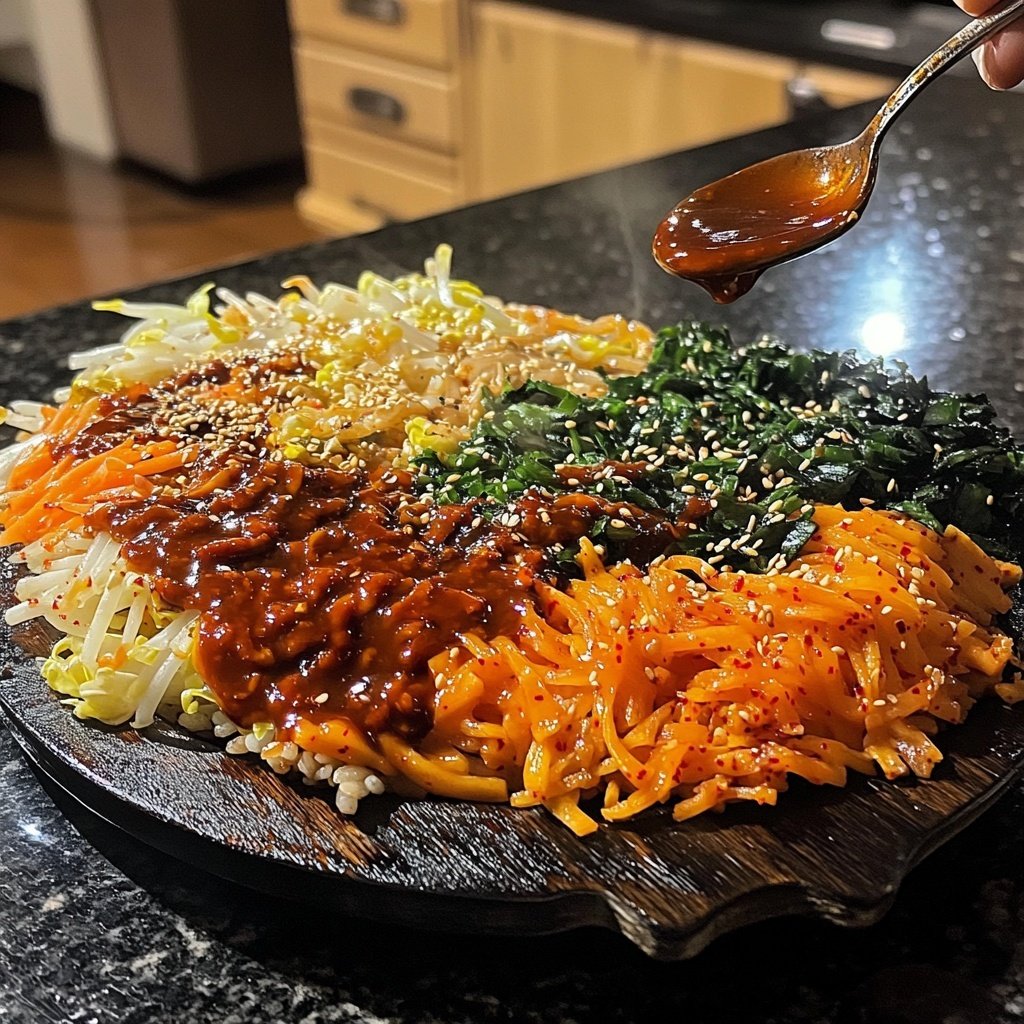
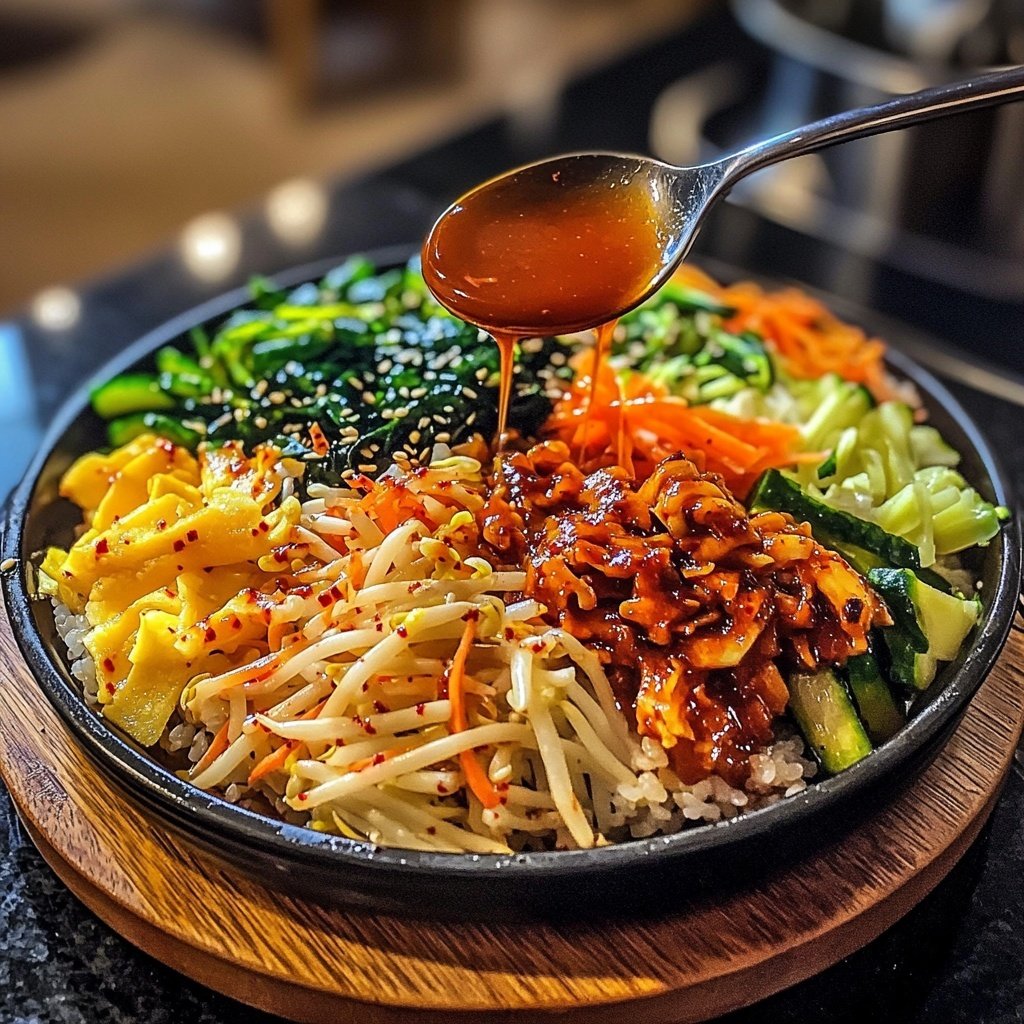
Korean Bibimbap is a vibrant and flavorful dish that features a mix of rice, vegetables, and your choice of protein, all topped with a delicious gochujang sauce.
Korean Bibimbap is not just a meal, it's an experience. This traditional dish offers a colorful array of vegetables, rice, and protein, all mixed together to create a harmonious blend of flavors and textures.
Why You'll Love This Recipe
- A colorful medley of fresh vegetables and toppings
- Customizable with your choice of protein
- Perfect for meal prep or entertaining guests
The Art of Bibimbap
Bibimbap is more than just a meal; it's an art form that celebrates the beauty of Korean cuisine. Originating from Korea, this dish is known for its vibrant colors and diverse textures, making it a feast for the eyes as well as the palate. Each ingredient plays a crucial role, contributing to the overall harmony of flavors. Whether you are enjoying it at a traditional Korean restaurant or making it at home, bibimbap offers a unique culinary experience that brings together various elements in one bowl.
The beauty of bibimbap lies in its adaptability. You can easily modify the recipe to suit your dietary preferences or to use up leftover ingredients. This dish is typically served with a variety of vegetables, which not only enhance its nutritional value but also make it visually appealing. From crunchy carrots to tender spinach, the combination of textures keeps each bite interesting and satisfying.
Nutritional Benefits
Korean Bibimbap is packed with nutrients, making it a wholesome choice for any meal. The base of white rice provides carbohydrates for energy, while the assortment of vegetables delivers essential vitamins and minerals. Spinach, for example, is rich in iron and vitamins A and C, while carrots contribute beta-carotene, which is beneficial for eye health. Including a protein source like beef or tofu further enhances the nutritional profile, ensuring a well-rounded meal.
Eating a variety of colorful vegetables like those found in bibimbap not only makes your meal more enjoyable but also promotes a balanced diet. Each color represents different phytonutrients, which can have various health benefits. This dish encourages you to eat a rainbow of foods, supporting overall well-being and vitality. Plus, the gochujang sauce adds a spicy kick, which can boost your metabolism, making bibimbap a delicious and smart choice.
Serving Suggestions
When it comes to serving Korean Bibimbap, presentation matters. Serve it in a large bowl or individual bowls for an inviting and communal dining experience. You can enhance the visual appeal by arranging the ingredients in a rainbow pattern, with each component distinctly visible. This not only looks beautiful but also allows everyone to appreciate the variety of flavors they will enjoy in each bite.
For an extra touch, consider offering additional toppings on the side, such as kimchi or pickled vegetables. These accompaniments complement the flavors of bibimbap and add a tangy contrast to the rich ingredients. Whether you're hosting a dinner party or simply enjoying a meal with family, bibimbap is sure to impress your guests and provide a delightful culinary adventure.
Ingredients
Gather these ingredients to make your delicious bibimbap.
For the Bibimbap
- 2 cups cooked white rice
- 1 cup spinach, blanched
- 1 cup carrots, julienned
- 1 cup zucchini, julienned
- 1 cup bean sprouts, blanched
- 4 eggs
- 1 cup sliced beef or tofu
- 4 tablespoons gochujang (Korean chili paste)
- 2 tablespoons sesame oil
- Salt to taste
- Sesame seeds for garnish
Make sure to adjust the ingredients according to your preferences!
Instructions
Follow these steps to prepare your bibimbap.
Prepare the Vegetables
In a pan, sauté the carrots and zucchini separately in a bit of sesame oil until tender. Blanch the spinach and bean sprouts in boiling water for a few minutes, then rinse under cold water.
Cook the Protein
In the same pan, cook the sliced beef or tofu until browned. Season with salt to taste.
Fry the Eggs
In a separate skillet, fry the eggs sunny-side up, keeping the yolk runny for the best flavor.
Assemble the Bibimbap
In a large bowl, place a serving of rice at the bottom. Arrange the sautéed vegetables, protein, and fried egg on top. Drizzle with gochujang and sesame oil, and sprinkle with sesame seeds.
Mix and Serve
Before eating, mix all the ingredients together to combine the flavors. Serve warm.
Enjoy your homemade bibimbap!
Pro Tips
- Feel free to add other vegetables such as mushrooms or radishes to enhance the dish.
Common Mistakes to Avoid
One common mistake when making bibimbap is overcooking the vegetables. Keep in mind that the vegetables should maintain their color and crunch to enhance the dish's overall texture. Sauté them just until they are tender but still vibrant. This not only improves the visual appeal but also preserves their nutritional value, ensuring you get the most out of your meal.
Another mistake is neglecting to season each component adequately. While the gochujang sauce adds flavor, make sure to season the vegetables and protein as you cook them. A pinch of salt can elevate the taste of each ingredient, ensuring a well-balanced flavor profile throughout the dish.
Storage and Reheating Tips
If you have leftovers, bibimbap can be stored in the refrigerator for up to three days. To keep the ingredients fresh, store the rice, vegetables, and protein separately in airtight containers. This will help maintain the texture and flavor of each component. When you're ready to enjoy your leftovers, simply reheat the rice and protein in the microwave or on the stovetop, and serve with fresh vegetables and sauce.
When reheating, consider adding a splash of water to the rice to prevent it from drying out. You can also top it with a fresh fried egg, which adds richness and flavor. This way, you'll have a quick and delicious meal that feels just as satisfying as when it was freshly made.
Questions About Recipes
→ Can I make bibimbap vegetarian?
Absolutely! You can substitute the beef with tofu or add additional vegetables.
→ What can I use instead of gochujang?
You can use sriracha or any chili paste as an alternative, but it may alter the flavor.
→ Can I prepare bibimbap in advance?
Yes, the components can be prepared in advance and assembled just before serving.
→ Is bibimbap healthy?
Yes, it's packed with vegetables and can be made with lean proteins, offering a balanced meal.
Korean Bibimbap
Created by: Arabelle Finch
Recipe Type: Fusion Favorites
Skill Level: Intermediate
Final Quantity: 4 servings
What You'll Need
For the Bibimbap
- 2 cups cooked white rice
- 1 cup spinach, blanched
- 1 cup carrots, julienned
- 1 cup zucchini, julienned
- 1 cup bean sprouts, blanched
- 4 eggs
- 1 cup sliced beef or tofu
- 4 tablespoons gochujang (Korean chili paste)
- 2 tablespoons sesame oil
- Salt to taste
- Sesame seeds for garnish
How-To Steps
In a pan, sauté the carrots and zucchini separately in a bit of sesame oil until tender. Blanch the spinach and bean sprouts in boiling water for a few minutes, then rinse under cold water.
In the same pan, cook the sliced beef or tofu until browned. Season with salt to taste.
In a separate skillet, fry the eggs sunny-side up, keeping the yolk runny for the best flavor.
In a large bowl, place a serving of rice at the bottom. Arrange the sautéed vegetables, protein, and fried egg on top. Drizzle with gochujang and sesame oil, and sprinkle with sesame seeds.
Before eating, mix all the ingredients together to combine the flavors. Serve warm.
Extra Tips
- Feel free to add other vegetables such as mushrooms or radishes to enhance the dish.
Nutritional Breakdown (Per Serving)
- Calories: 500 kcal
- Total Fat: 20g
- Saturated Fat: 5g
- Cholesterol: 200mg
- Sodium: 600mg
- Total Carbohydrates: 60g
- Dietary Fiber: 5g
- Sugars: 5g
- Protein: 20g